Affiliate Disclosure:This article contains affiliate links. If you purchase through our links, we may earn a small commission at no extra cost to you. We only recommend gear we've tested or would genuinely use ourselves.
top list • May 11, 2026 • 14 min read · The Bite Intel Team
Best Kayak Fishing Crates in 2026: 7 Options Tested and Compared
The best kayak fishing crate keeps your tackle organized, rods secure, and gear dry. We compare 7 top picks from YakAttack, Wilderness Systems, Hobie, Perception, and budget builds so you can stop digging around and start fishing.
You launch at 5 a.m. Wind's already picking up. You know exactly where the fish are holding — but by the time you've dug through a pile of loose lures, untangled a leader from your drink holder, and found your pliers hiding under a rain jacket, the bite is over.
A kayak fishing crate fixes that. It turns your back tank well into an organized workstation: rods secured and upright, tackle boxes stacked in reach, tools clipped exactly where you left them. Once you fish with one, going back to a bare tank well feels like trying to cook in a sink.
This guide covers the 7 best kayak fishing crates available right now — from premium purpose-built systems to a $40 budget build that works better than you'd expect.
Quick Comparison
| Product | Rating | Price | Best For | Link |
|---|---|---|---|---|
| YakAttack BlackPak Pro 13×13 | 4.9/5 | $$$ | Best overall | Check Price |
| YakAttack BlackPak Pro 13×16 | 4.8/5 | $$$ | Heavy tackle loads | Check Price |
| Wilderness Systems Kayak Krate | 4.5/5 | $$$ | WS kayak owners | Check Price |
| Perception Splash Kayak Crate | 4.4/5 | $$ | Mid-range all-rounder | Check Price |
| Hobie H-Crate | 4.3/5 | $$$$ | Hobie kayak owners | Check Price |
| YakGear Kayak Angler Starter Kit | 4.2/5 | $ | Best budget pick | Check Price |
| YakGear Deluxe Milk Crate | 4/5 | $ | DIY build base | Check Price |
#1 Best Overall: YakAttack BlackPak Pro 13"×13"
4.9/5The BlackPak Pro is what most serious kayak anglers end up buying after going through one or two cheaper options. Made in the USA from high-density polyethylene, the construction quality is immediately obvious — no flex, no creaking, nothing rattling loose after a full season of hard use.
The 13×13 footprint fits the majority of sit-on-top tank wells without overhanging. Three built-in TetherTube rod holders keep rods upright and separated while you paddle between spots. The hinged lid with a locking latch keeps your tackle dry on wet launches and gives you one-hand access when the fish are biting. The GridLoc mounting panels on the side walls let you bolt on RAM accessories, phone mounts, and tool holders without drilling anything.
If you're setting up your first serious kayak rig, this is where to start. The 13×16 version (reviewed below) is the right call if you carry more than three rods or a heavy load of big tackle boxes.
Tip
Measure your tank well before ordering. The 13×13 needs about 14" of internal tank well length to sit flat. Most sit-on-top fishing kayaks from 2018 onward have no problem, but older or compact models may be tight.
Pros
- Made in USA — built to outlast cheap alternatives
- GridLoc panels for accessory mounting without drilling
- Hinged lid with locking latch keeps gear dry
- 3 TetherTube rod holders included
- Multiple color options to match your kayak
Cons
- More expensive than budget options
- 13×13 is tight if you run Plano 3700s — go 13×16 instead
#2 Best for Heavy Tackle Loads: YakAttack BlackPak Pro 13"×16"
4.8/5Same construction as the 13×13, three more inches of depth. That doesn't sound like much until you're trying to fit five Plano 3600s and two 3700s — at which point those three inches matter significantly.
The 13×16 ships with four TetherTube rod holders instead of three, and the extra interior volume means you can actually close the lid after loading up for a full day. If you fish tournaments, multi-day trips, or just refuse to leave any rig at home, this is the version.
One real-world note: it won't fit in narrower or shallower tank wells. Measure before you buy. Most 12-foot-plus sit-on-tops handle it fine; anything under 11 feet or with a constrained tank well may max out at the 13×13.
Pros
- 4 rod holders vs. 3 on the 13×13
- Holds 10+ Plano 3600s comfortably
- Same GridLoc accessory system as 13×13
- Lid still closes fully loaded
Cons
- Won't fit smaller or narrower tank wells
- Slightly heavier than the 13×13
#3 Best for Wilderness Systems Owners: Wilderness Systems Kayak Krate
4.5/5Wilderness Systems designed the Krate around their own kayak line — the dimensions and mounting geometry are optimized for WS tank wells. If you're fishing a Radar, Ride, or Pungo, it drops in and sits flush like it was built for it, because it was.
The blow-molded, water-resistant body comes with four rod holders. The lid features a separate locking compartment sized for your keys, wallet, and phone — gear you want secured and dry even if the main crate gets wet. The open main compartment fits Plano 3700s standing upright, and the whole thing handles daily abuse without issue.
Non-WS owners can use this crate, but the design optimization is real. If you're on a different brand, the BlackPak Pro gives you more flexibility for a similar price.
Pros
- Optimized fit for Wilderness Systems tank wells
- Locking lid compartment for valuables
- 4 rod holders included
- Water-resistant blow-molded construction
Cons
- No integrated accessory mounting system
- Expensive given what you get vs. BlackPak Pro
- Less versatile for non-WS kayaks
#4 Best Mid-Range Pick: Perception Splash Kayak Crate
4.4/5At around $89, the Perception Splash sits between the budget milk crate builds and the premium YakAttack systems — and it earns its place there.
It holds 13 Plano 3600s or 7 Plano 3700s, has a one-hand lid latch, and folds flat for off-season storage. The canopy-style lid sheds light rain and paddle splash well enough for protected-water fishing. Webbing loops and D-rings on the exterior let you lash dry bags or extra gear down.
The gaps: rod holders are sold separately as Perception clip-in accessories, and the collapsible design means it's not as rigid as a hard-molded crate. For calm-water bass, crappie, and freshwater fishing, it's a solid buy. For offshore use or rough-water conditions, step up to the BlackPak Pro.
Pros
- Good value for a purpose-built kayak crate
- Holds 13 Plano 3600s or 7 Plano 3700s
- Folds flat for storage off-season
- Canopy lid handles light splash
Cons
- Rod holders cost extra
- Less rigid than hard-molded options
- Limited accessory mounting options
#5 Best for Hobie Owners: Hobie H-Crate
4.3/5The Hobie H-Crate is purpose-built for the Hobie ecosystem and it shows. The carry handles are H-Rail compatible, meaning you can mount H-Rail accessories — transducer arms, RAM ball mounts, rod holders — directly to the crate using the same hardware you use everywhere else on your Hobie.
Four corner rod holders keep rods upright and spread out. The crate assembles and breaks down quickly for transport. Recessed mounting points on all four interior walls let you add dividers and clip-in organizers without tools.
The sticking point is price — around $190 is steep for what you're getting if you're not deep in the Hobie ecosystem. If you already own Hobie H-Rail accessories, the compatibility justifies the cost. If you're fishing any other brand, the BlackPak Pro gives you more for less.
Pros
- H-Rail compatible — integrates with Hobie accessory system
- Assembles and breaks down in seconds
- 4 corner rod holders
- Recessed mounting points on all four walls
Cons
- Expensive relative to competitors
- No lid included
- Poor value if you're not using Hobie accessories
#6 Best Budget: YakGear Kayak Angler Starter Kit in Crate
4.2/5If you're not ready to drop $100 on a crate and just want to get organized, the YakGear Starter Kit is the right move. It comes with a black milk crate and two single rod holders that bolt to the crate walls. Add a bungee net on top and a few zip ties and you have a functional fishing crate for around $40.
Milk crates earn their place in kayak fishing because they're rigid, lightweight, and have an open grid structure you can zip-tie or bolt accessories to. The YakGear kit takes the guesswork out of which hardware to buy — it's all sized to fit.
The trade-offs are obvious: no lid, no waterproofing, rods shift more than in a purpose-built crate. But for your first season while you're figuring out how you actually rig your kayak? This is plenty.
Pros
- Under $50 — lowest barrier to entry
- Rod holders bolt on without drilling your kayak
- Rigid milk crate base handles years of abuse
- Easy to add more accessories over time
Cons
- No lid or water resistance
- Rods less secure than purpose-built options
- Looks and feels DIY
- Milk crate dimensions may not fit all tank wells
#7 Best DIY Base: YakGear Deluxe Kayak Milk Crate
4.0/5This is the crate to buy if you already own rod holders, gear pouches, or other crate accessories and just need a purpose-made base to mount them on. Larger than a standard milk crate, UV-resistant polyethylene, and pre-drilled holes sized for standard YakGear and RAM accessories.
If you enjoy building and customizing your kayak setup, this is a satisfying starting point. It won't win any beauty contests and there are no accessories included, but it will carry your gear without cracking for multiple seasons.
Pros
- Pre-drilled holes for YakGear and RAM accessories
- UV-resistant — won't crack after a few summers
- Lower cost if you already own accessories
- Bigger interior than a standard milk crate
Cons
- No rod holders, lid, or accessories included
- Purely functional — no aesthetics
- Needs additional hardware to be useful
What to Look for in a Kayak Fishing Crate
1. Dimensions vs. Your Tank Well
This is the first filter. Measure the length and width of your kayak's rear tank well before buying anything. A crate that overhangs the edges will shift, rock, and potentially mar your hull. Most sit-on-top fishing kayaks have tank wells that run 14"–17" long and 12"–15" wide, but measure your specific kayak.
Height matters too. A tall crate blocks your rearview sightline and catches more wind while paddling. Most anglers find 10"–13" of crate height is the practical sweet spot.
2. Rod Holder Design and Count
Purpose-built crates come with either vertical tube holders or angled holders. Tube holders (like YakAttack's TetherTube) let you drop rods straight down — secure and out of the way while paddling. Angled holders splay rods outward — easier to grab fast but more likely to snag brush, dock hardware, or other lines.
Count how many rods you actually fish with. If you rig and carry four or more rods simultaneously, you need a crate that supports adding extra holders — or start with the larger BlackPak Pro.
3. Lid and Water Resistance
No kayak crate is waterproof, but there's a real difference between a hard-shell lidded crate and an open milk crate when a wave hits you broadside. If you fish in wind chop, tidal water, or anywhere you might get splashed, a lid matters. That said, always keep electronics, your phone, and your keys in a dedicated dry bag inside the crate — even the best crate lid won't protect against a full capsize.
4. Accessory Mounting System
Premium crates use integrated mounting systems (GridLoc on YakAttack, H-Rail on Hobie) that let you bolt on phone mounts, transducer arms, rulers, and tool clips cleanly without drilling. If you plan to add accessories over time, choosing a crate with a mounting system that matches your existing or planned gear saves you money and headaches later.
Budget builds can still work with zip ties and strap-on clips, but a mismatched mounting system becomes annoying fast when you're on the water and something shifts.
5. Weight and Portability
Empty crates weigh 3–7 lbs. Loaded with a full day of tackle, that jumps to 20–35 lbs. Consider how far you carry your kayak from parking lot to launch. A crate with carry handles makes a real difference on a long beach carry. If you use a kayak cart to move everything at once, weight is less of a factor.
Frequently Asked Questions
What size kayak crate fits most kayaks? A 13"×13" crate fits the majority of sit-on-top fishing kayaks with a standard rear tank well. If you're unsure, measure your tank well and leave at least an inch of clearance on each side. Longer crates (13×16, 13×17) require larger tank wells — always measure before buying.
Do kayak fishing crates need to be strapped down? Yes. A crate dropped into a tank well can still shift or pop out if you flip or take a hard wave. Run a bungee across the top of the crate or use tank well tie-down points to secure it. Most tank wells have built-in bungee loops from the factory — use them.
Can I just fish without a crate? You can, but most anglers who switch to a crate don't go back. Loose gear in a tank well shifts around, tangles together, and is slow to access when you need something fast. A crate keeps everything at a fixed height and position. The first time you spend three minutes looking for your pliers during a feeding window, you'll understand why the crate is worth it.
What's the real difference between a milk crate and a purpose-built kayak crate? A standard milk crate costs $5–10 and gets the basic job done. Purpose-built kayak crates use UV-resistant materials (important for sun exposure), offer better rod holder designs, have lid options, and include integrated mounting systems. For a first-season beginner on a tight budget, a milk crate setup works fine. For anyone fishing more than a handful of times a year, the upgrade pays off quickly in convenience and durability.
Are kayak crates compatible with any kayak brand? Most standard-dimension crates (like the BlackPak Pro) work across kayak brands as long as the dimensions fit your tank well. Some crates (Wilderness Systems, Hobie) are designed around a specific brand's tank well and mounting hardware — they still work on other kayaks physically, but you lose the integration benefits. Sit-inside kayaks typically don't use rear crates.
What do I do if my crate tips during a capsize? Strap it down and tether critical items inside. A crate secured with bungees won't float free in a capsize. Individual items inside — especially buoyant closed-foam tackle boxes — should be clipped or strapped. A waterproof dry bag for your phone, keys, and wallet is non-negotiable regardless of which crate you fish with.
Final Verdict
For most kayak anglers, the YakAttack BlackPak Pro 13"×13" is the right call. It's the product the kayak fishing community keeps coming back to — solid construction, a smart accessory mounting system, and a hinged lid that handles real fishing conditions. Buy it once, use it for years.
If you're just starting out and not ready to spend $130, the YakGear Starter Kit is a legitimate entry point. It's not elegant, but it keeps your tackle together and your rods out of the water until you figure out exactly how you want to rig.
| Use Case | Best Pick |
|---|---|
| Best overall setup | YakAttack BlackPak Pro 13×13 |
| Heavy tackle loads / 4+ rods | YakAttack BlackPak Pro 13×16 |
| Wilderness Systems kayak | Wilderness Systems Kayak Krate |
| Hobie kayak | Hobie H-Crate |
| Mid-range on a budget | Perception Splash Kayak Crate |
| First season / tight budget | YakGear Kayak Angler Starter Kit |
| Custom DIY build | YakGear Deluxe Milk Crate |
About The Bite Intel Team
The Bite Intel Team researches and curates the best kayak fishing gear based on extensive product analysis, angler community feedback, and manufacturer specs.
Related Posts
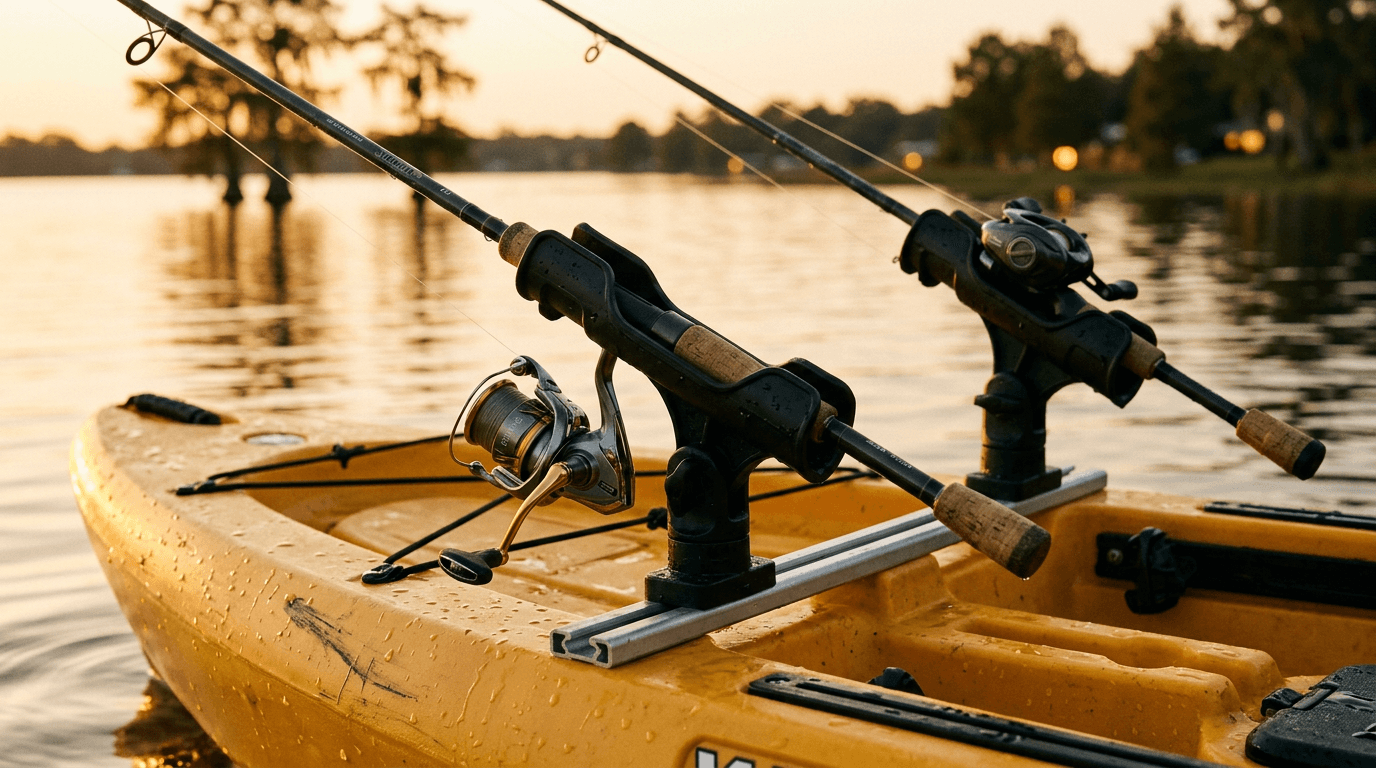
Best Rod Holders for Fishing Kayaks: 7 Tested Picks for Every Setup
Best rod holders for fishing kayaks reviewed and ranked: 7 picks from YakAttack, Scotty, and Railblaza for flush mount, track mount, and no-drill installs.
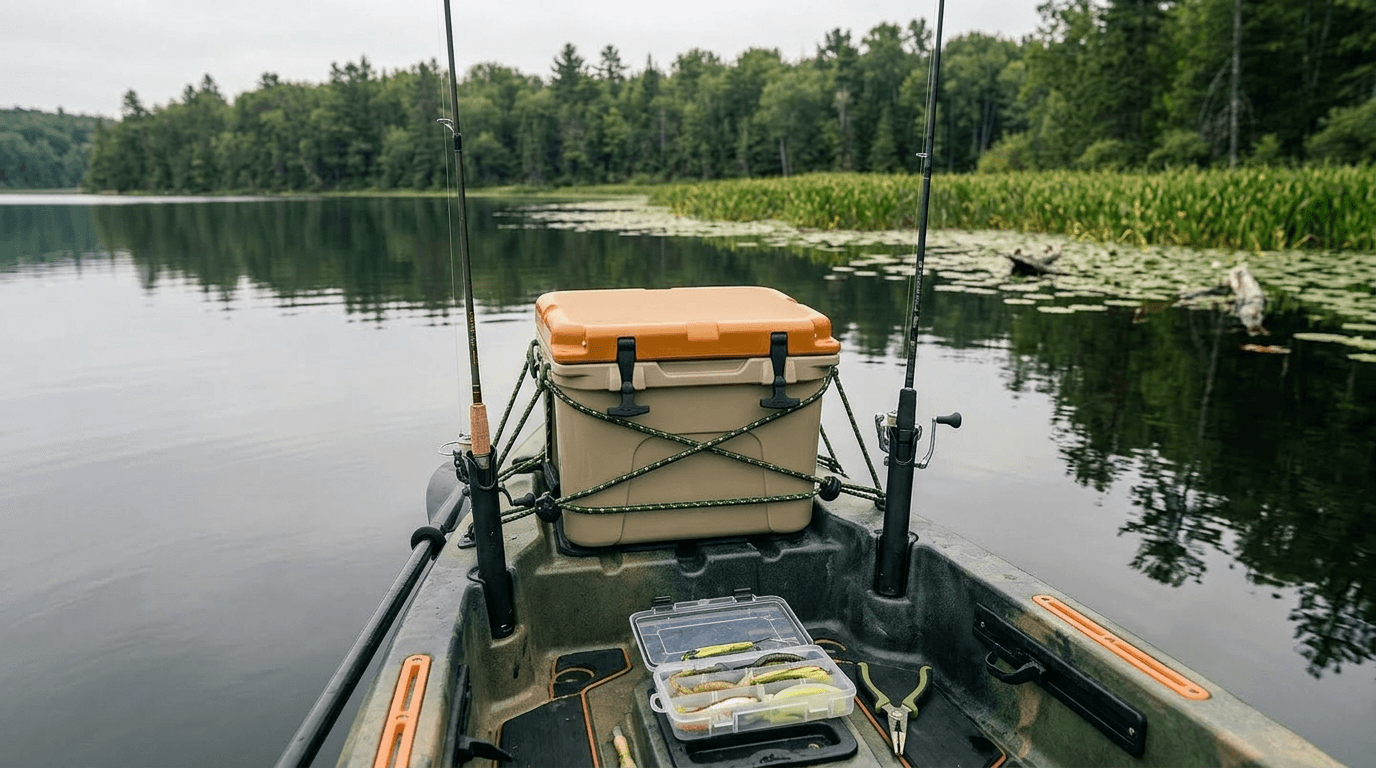
Best Cooler for Kayak Fishing in 2026 (6 Picks Reviewed)
The best coolers for kayak fishing — covering hard coolers, soft coolers, size, ice retention, and how to fit one on your kayak without sacrificing storage or stability.
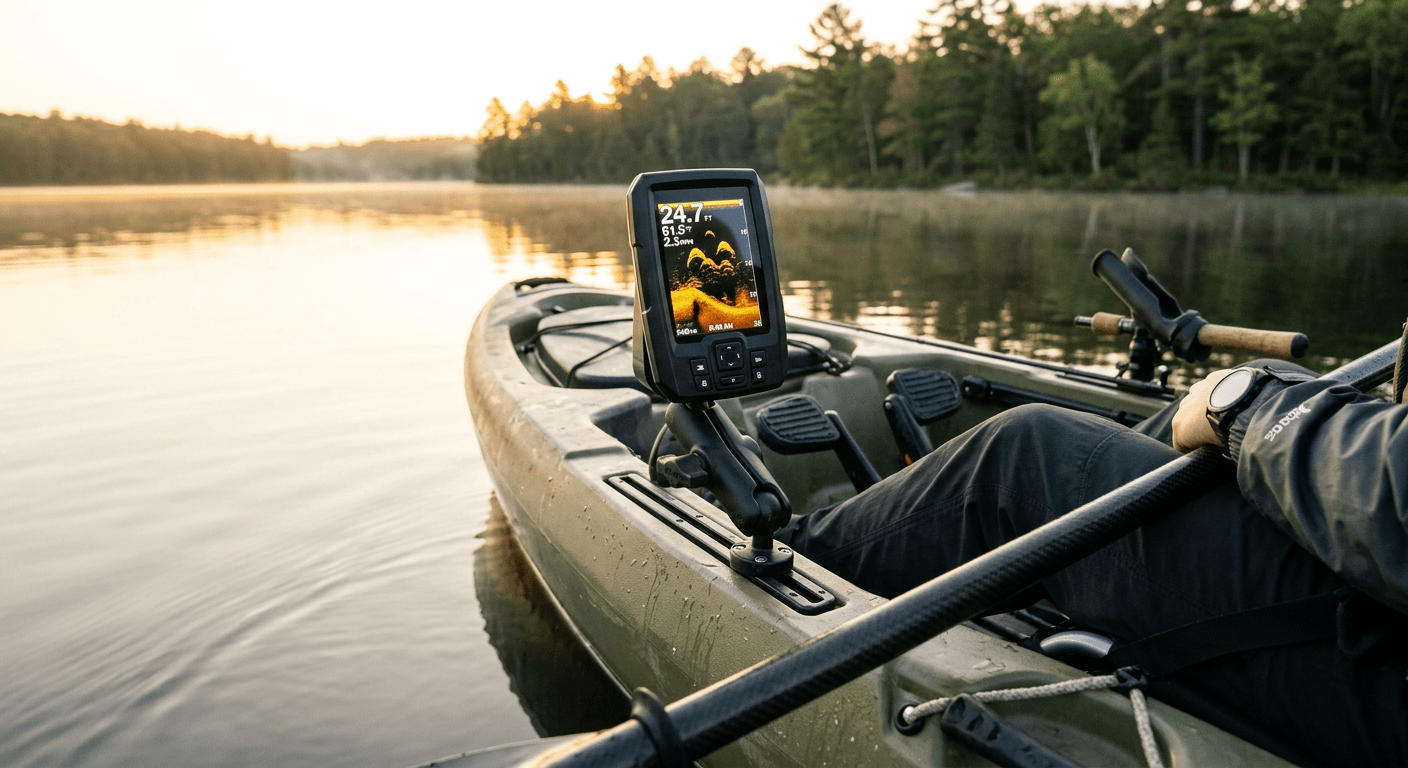
Best Fish Finder for Kayak: 6 Units Tested for 2026
The best fish finders for kayak fishing — from the Garmin Striker 4 budget pick to the Deeper PRO+ castable sonar. Buyer's guide, mounting tips, and honest reviews.